
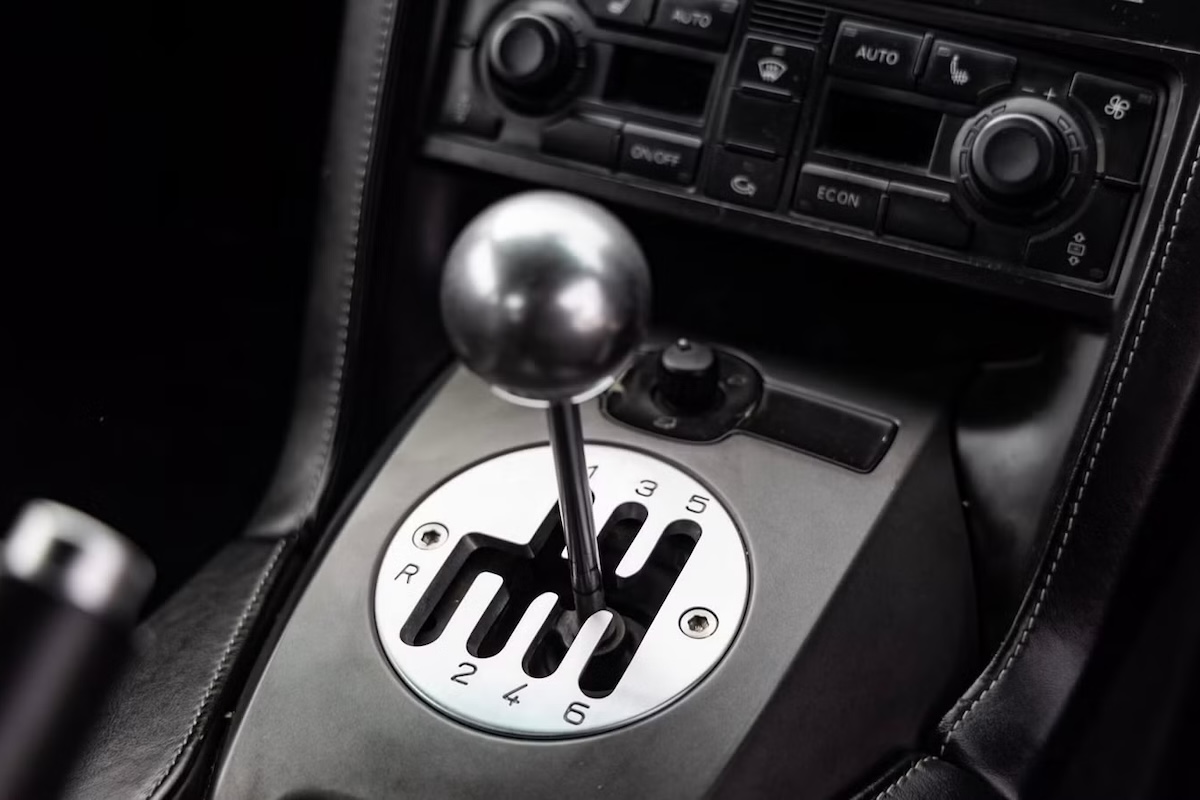
For decades, the manual transmission represented the purest connection between driver and machine. Shifting gears with a clutch pedal and gear lever required skill, timing, and focus, creating an engaging driving experience that enthusiasts have cherished for generations. Today, however, manual transmissions are becoming increasingly rare as automakers embrace dual-clutch gearboxes, hybrid powertrains, and fully electric vehicles.
Does that mean the manual transmission is destined for extinction? While its presence in new supercars continues to shrink, there are strong reasons to believe manuals will remain an important part of the performance car landscape for years to come.
Why Manual Transmissions Are Disappearing
Modern automatic and dual-clutch transmissions simply outperform traditional manuals in nearly every measurable category. They shift faster, improve acceleration, optimize fuel economy, and help manufacturers meet increasingly strict emissions regulations.
For supercar manufacturers, performance has become a numbers game. Faster lap times, quicker 0–60 mph runs, and improved efficiency all favor automated gearboxes.
Many high-performance vehicles now produce well over 700 horsepower, making it increasingly difficult for a traditional clutch to handle the immense torque while remaining comfortable for everyday driving. As a result, manufacturers have largely transitioned to advanced dual-clutch or automatic transmissions that deliver both speed and durability.
Enthusiast Demand Hasn’t Disappeared
Despite the industry’s shift toward automation, a passionate group of enthusiasts continues to seek out manual transmission cars.
For many drivers, performance is about more than speed. Operating a clutch and selecting each gear creates a level of involvement that paddle shifters simply cannot replicate. Every shift becomes part of the driving experience, making even a short drive more rewarding.
This emotional connection has kept demand for manual sports cars surprisingly strong, particularly among collectors who value analog driving experiences.
The Brands Keeping Manuals Alive
Although most exotic manufacturers have abandoned manuals, several performance brands continue to recognize their appeal.
Porsche remains one of the strongest supporters, offering manual versions of select 911 GT models. These cars are often praised for delivering one of the most engaging driving experiences available today.
Cadillac has also earned recognition by offering manual transmissions in its high-performance Blackwing models, proving there is still a market for three-pedal performance cars.
BMW continues to offer manuals in select M models, while niche manufacturers and specialty builders occasionally produce limited-run manual sports cars aimed at dedicated enthusiasts.
While these vehicles represent a small portion of overall production, they demonstrate that demand for manuals remains strong enough to justify continued investment.
Collectibility Is Increasing
As manual transmissions become less common, their desirability continues to grow.
Collectors increasingly seek manual-equipped versions of iconic models, often paying significant premiums compared to their automatic counterparts. Vehicles that once represented the standard configuration are now considered rare.
Examples include manual versions of the Ferrari 360, Ferrari F430, Lamborghini Gallardo, Aston Martin V8 Vantage, and Porsche Carrera GT. In many cases, manual examples command six-figure premiums over automated variants.
This trend is likely to continue as fewer new manual performance cars enter the market.
Hybrid and Electric Vehicles Present New Challenges
The rapid adoption of hybrid and electric powertrains presents perhaps the greatest obstacle to the future of manual transmissions.
Electric motors deliver instant torque without requiring multiple gear ratios, eliminating the mechanical need for traditional manual gearboxes. Even hybrid supercars rely heavily on sophisticated electronic systems that work best with automated transmissions.
Some manufacturers have explored simulated manual transmissions for electric vehicles, attempting to recreate the sensation of shifting gears through software. While these systems may appeal to enthusiasts, they cannot fully replicate the mechanical interaction of a true manual transmission.
The Driving Experience Will Always Matter
Automotive technology continues to advance at an incredible pace, but many enthusiasts argue that the emotional connection between driver and machine is just as important as outright performance.
Manual transmissions require concentration, coordination, and skill. Rather than simply pressing the accelerator, drivers become active participants in every corner and every acceleration run.
That sense of involvement is something many believe should be preserved, even as technology evolves.
Looking Ahead
Manual transmissions are unlikely to return as the dominant choice in the supercar world. Advances in performance, efficiency, and electrification have made automated gearboxes the clear choice for most manufacturers.
However, that doesn’t mean manuals will disappear entirely.
Limited-production enthusiast models, specialty sports cars, and collector-focused editions will likely continue offering manual transmissions as manufacturers recognize the passion surrounding analog driving experiences. At the same time, existing manual supercars are expected to become even more desirable among collectors.
For many enthusiasts, the future of manual transmission supercars isn’t about widespread adoption—it’s about preserving one of the most engaging driving experiences the automotive world has ever known. As the industry moves toward electrification and automation, the few remaining three-pedal supercars may become some of the most cherished performance cars ever built.